Flex Feeding & Bin Picking System Integrators
Customized Part Handling Automation That Works – Every Time
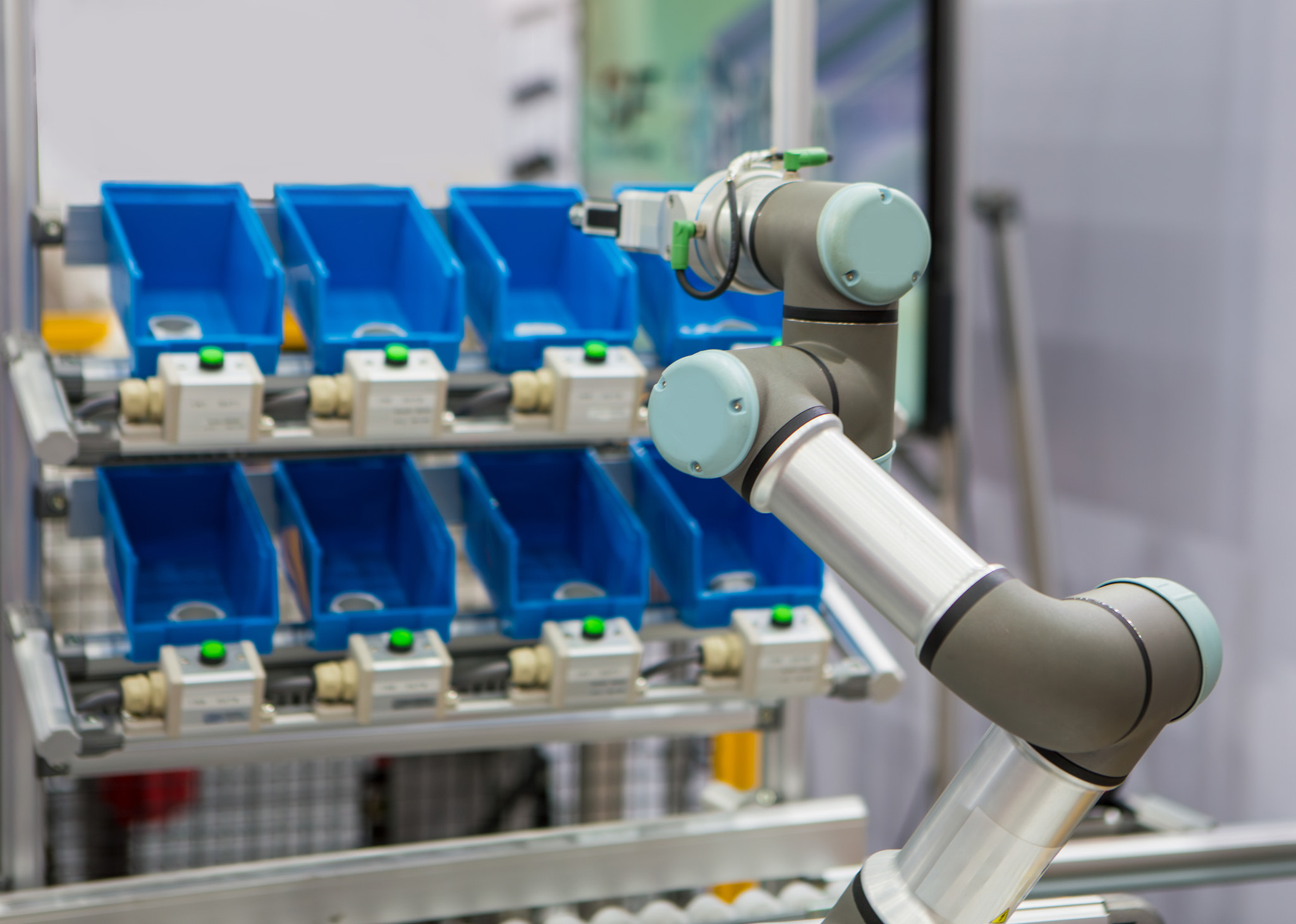
Improve throughput and quality with flex-feeding automation and bin-picking systems that adapt to different part orientations. PMI2’s robotic part-handling solutions reduce manual bottlenecks, allowing teams to focus on higher-value work.
What’s Holding You Back?
Even experienced manufacturing teams face challenges that slow automation initiatives.
-
Unreliable Vision Systems
Traditional vision systems struggle with mixed or random part orientations, leading to mispicks and downtime.
-
Manual Labor Bottlenecks
Manual part feeding is slow and error-prone.
-
ROI Uncertainty
Automation investments feel risky without a clear ROI.
-
Deployment Concerns
New technology can raise concerns about production downtime, disruption, and retraining.

Integrate with Confidence
At PMI2, we guide manufacturers through a low-risk automation journey from start to finish.
-
High-Mix Expertise
Decades of experience in high-mix part handling help ensure even random assortments of parts can be fed and picked with precision.
-
Scalable & Modular Systems
Flexible, modular automation cells allow you to start small and expand as production demands increase.
-
FANUC Integration
We specialize in FANUC robot integration and can retrofit into existing workflows. The result is a turnkey bin picking solution that fits into your line with minimal changes.
-
Low-Friction Deployment
From simulation to setup, we minimize disruption with clear ROI metrics and targeted training to enable adoption
What You Get with PMI2 Flex Feeding & Bin Picking
See It in Action: FANUC Robot Demo
Backed by FANUC integrator certification, our team deploys durable robotic systems designed for durability, safety, payloads of up to 300 kilograms.
See our Business Value Matrix to understand how these solutions drive ROI and performance gains. Evaluate Automation Opportunities
Proof of Operational Impact
When PMi2 flex feeding and bin picking solutions are deployed, manufacturers see measurable improvements.
Ready to calculate your ROI? Contact Us.
Let’s Talk
Speed, Quality, and Innovation in One Place
Optimize your part handling process today. Request an ROI assessment or book a demo to see PMi2 flex feeding systems in action.
Contact UsFAQs
Vision-guided bin picking systems are highly reliable in real production, especially in high‑mix automation environments. Modern 3D vision and AI-supported picking software deliver consistent accuracy across shifts, reducing the variability common in manual part handling. Manufacturers typically see stable cycle times and repeatable performance once the system is tuned.
Most manufacturers see a strong ROI from flex feeding automation, often achieving payback in under 12 months. A PMI2 flex feeding and bin picking system reduces manual labor, increases throughput, and lowers scrap from inconsistent material handling. PMI2 can provide a detailed ROI model based on your SKUs, cycle times, and labor costs before you commit.
Integration is straightforward. PMI2 designs bin-picking systems and flex-feeding automation cells to drop into existing lines with minimal disruption. Our team handles FANUC robot integration, PLC communication, and mechanical interfaces to conveyors or work cells. Most deployments are completed in a few weeks and scheduled during planned downtime to reduce risk.
Yes. Flex feeding systems are built for high‑mix automation and rapid changeovers. Operators can load a new recipe or swap feeder tooling in minutes, enabling fast transitions between SKUs without the downtime of traditional robotic feeding systems. This makes flex feeding ideal for contract manufacturing and high‑SKU environments.