1. Review Your Components
Assess roll and shaft condition, wear patterns, and current performance
Identify geometry and tolerance issues
Understand production constraints and maintenance schedule

Mechanical precision drives calendering output. You need roll and shaft restoration that returns components to baseline, holds tolerances, and fits your maintenance window. PMi2 delivers validated machining, specialty tooling, and integrated inspection so your line runs predictably.
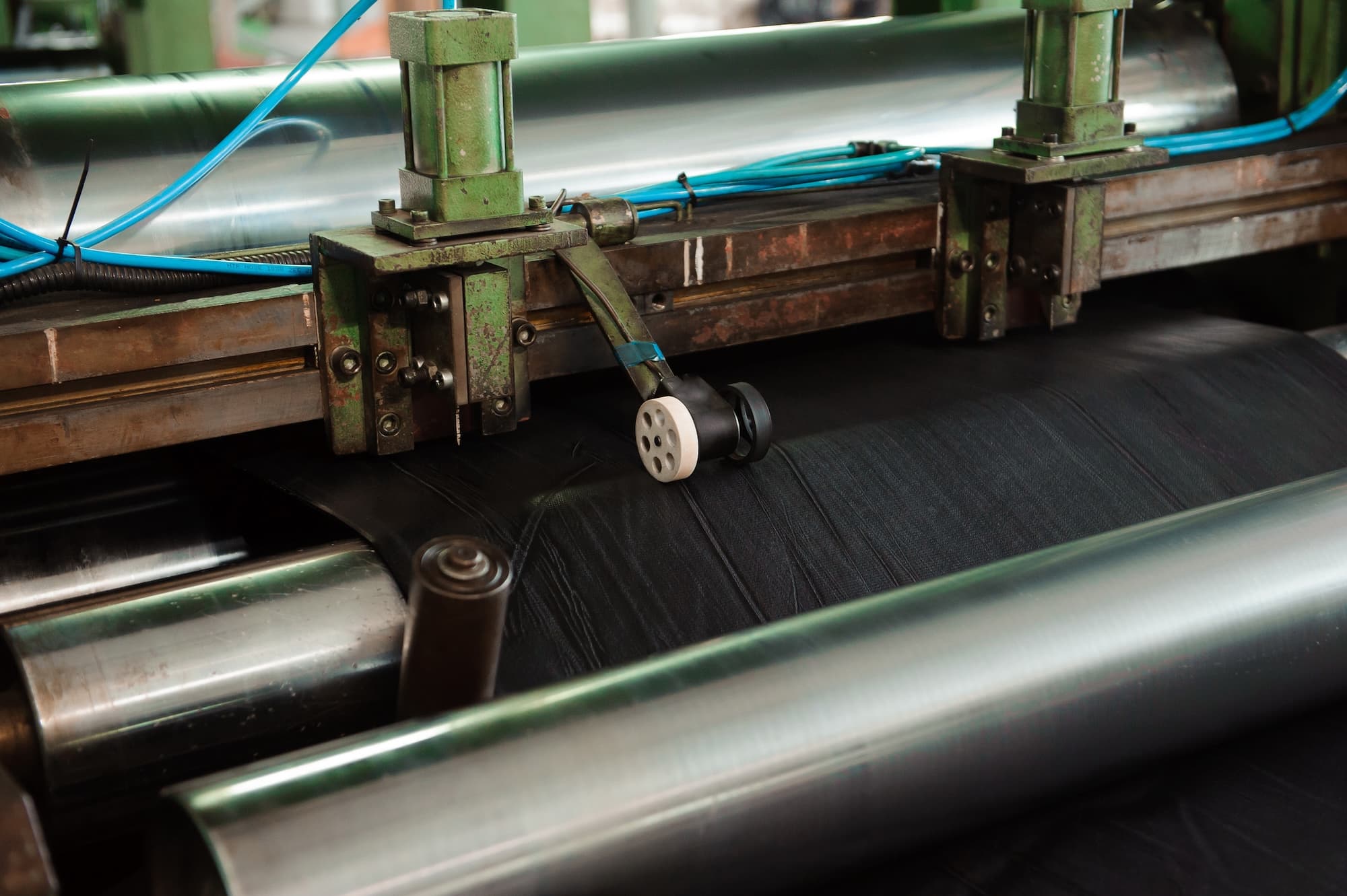

You’re responsible for output, uptime, and thickness consistency across high-volume calendering lines. When component wear, maintenance timing, and production targets fall out of sync, performance drops fast.
PMi2 powers your operation with repeatable machining, documented inspection, and predictable turnaround so your line stays stable and synchronized with production demands.
Calendering lines operate within tight mechanical tolerances. When rolls, shafts, or tooling drift from spec, the effects show up immediately in output and scheduling.
PMi2 combines machining, inspection, and engineering into a single workflow so your components are restored to spec and returned within your maintenance window.
Assess roll and shaft condition, wear patterns, and current performance
Identify geometry and tolerance issues
Understand production constraints and maintenance schedule
Define geometry and tolerance requirements
Integrate machining strategy with production constraints
Plan around your maintenance schedule
Restore components to required specifications
Validate with CMM inspection and documented results
Ensure components reinstall without adjustment
Managing multiple vendors slows coordination and increases variability. PMi2 consolidates everything into a single documented system, so your operation runs with fewer disruptions.
When components return to spec and stay there, your entire operation stabilizes.
Delaying restoration or working with inconsistent vendors leads to unstable output, extended downtime, and repeated adjustments that multiply. Without validated inspection and repeatable machining, you’re managing symptoms instead of fixing the source.
Connect with a PMi2 engineer to review your roll and shaft condition, define the right machining approach, and align it to your production schedule.
Request a Consultation