Levels of Automation
Scroll to Begin
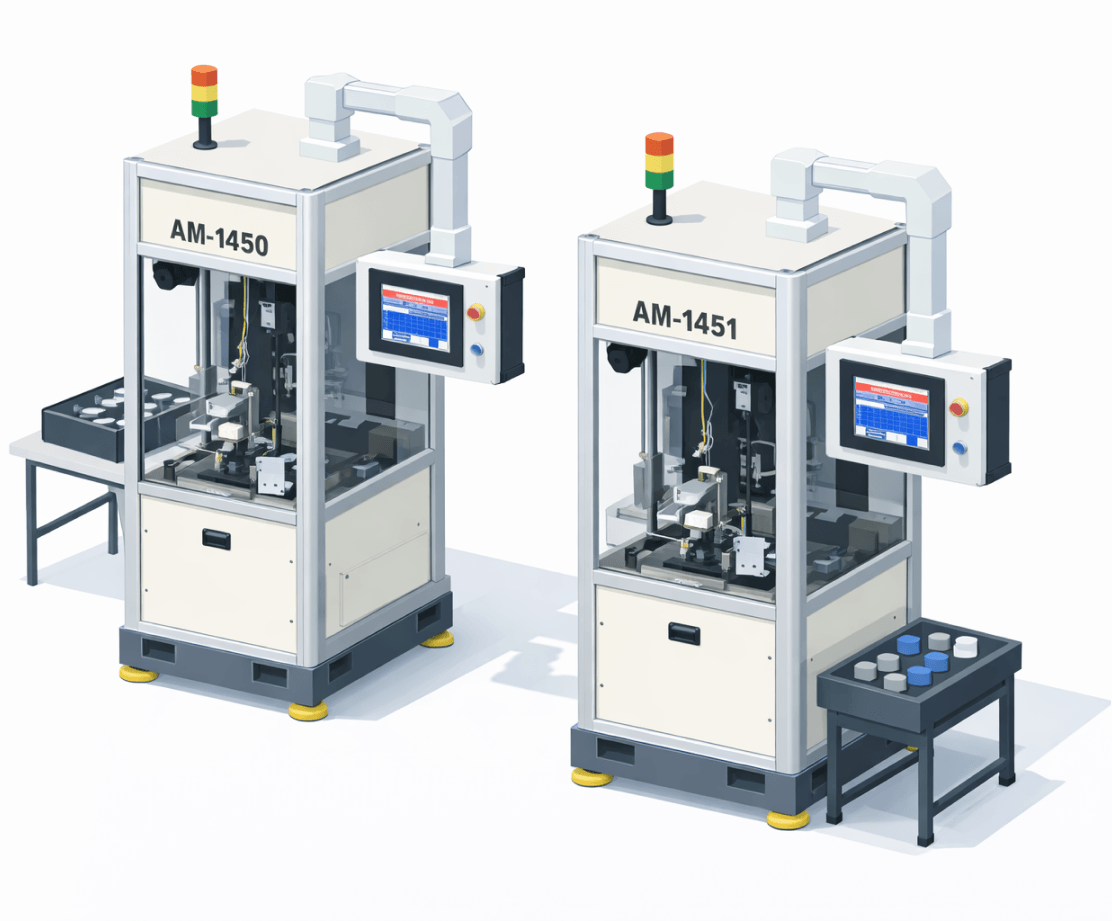
Cycle Efficiency
Watch how assisted loading reduces wasted motion.
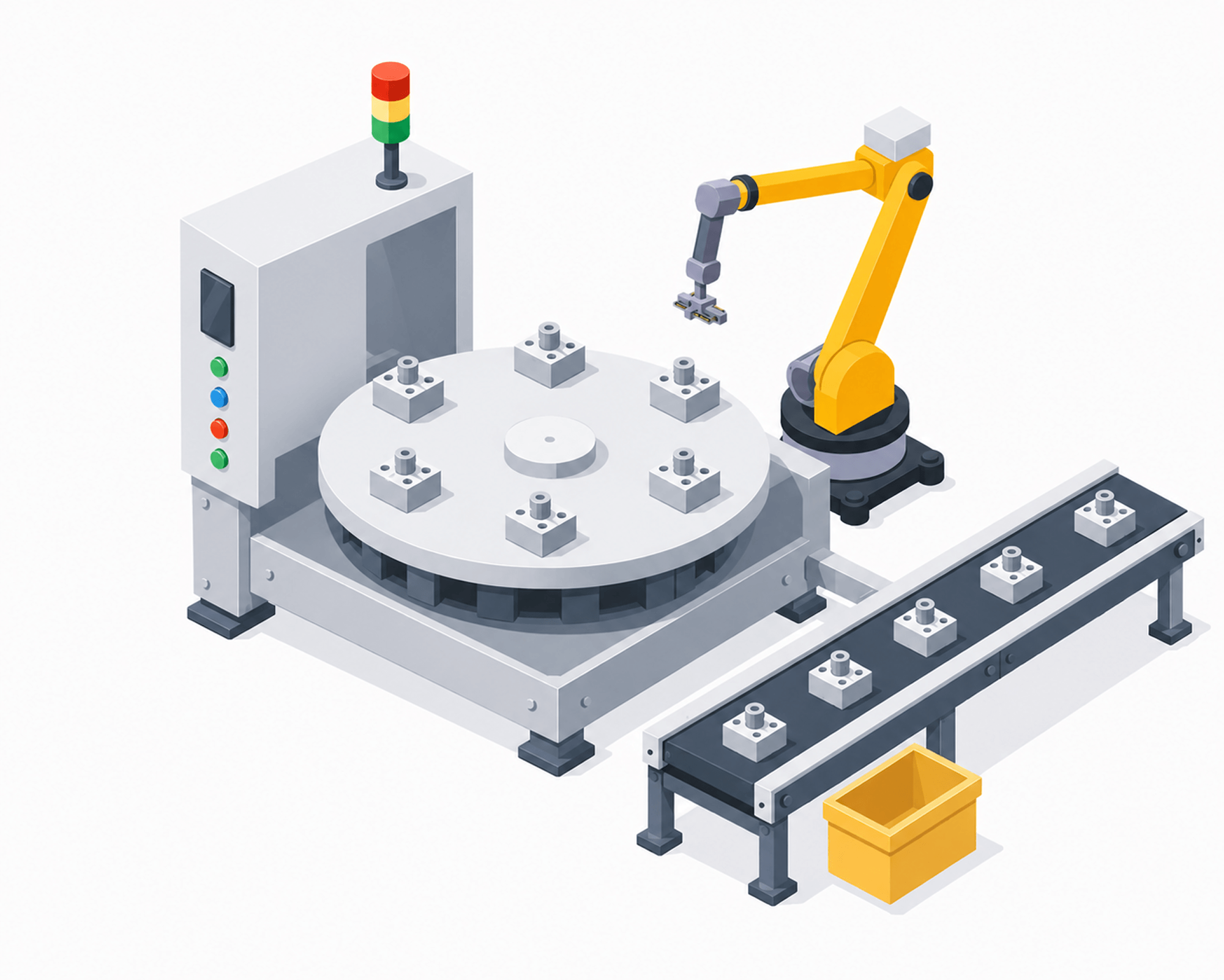
Production Cell
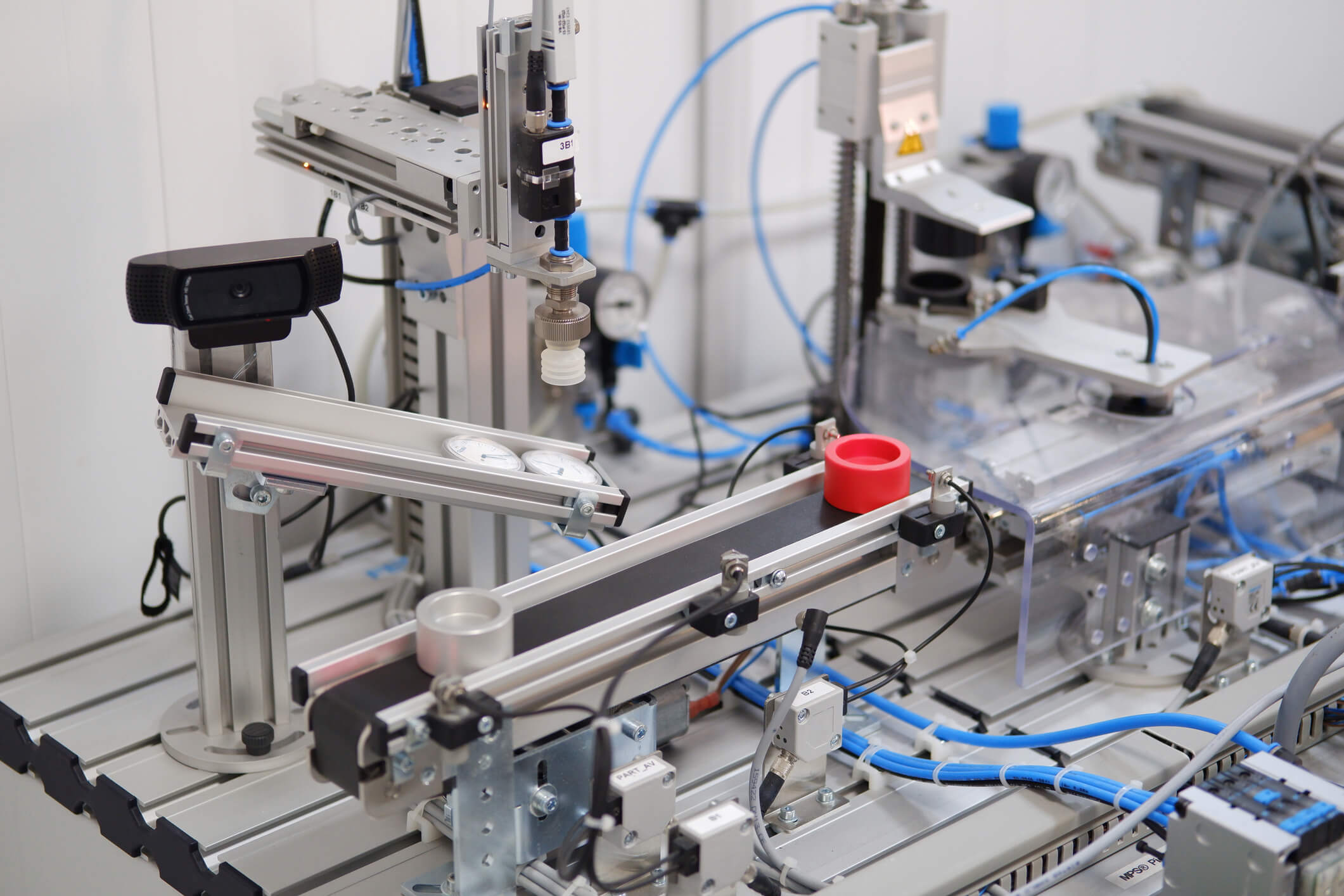
See coordinated stations complete repeatable manufacturing tasks.
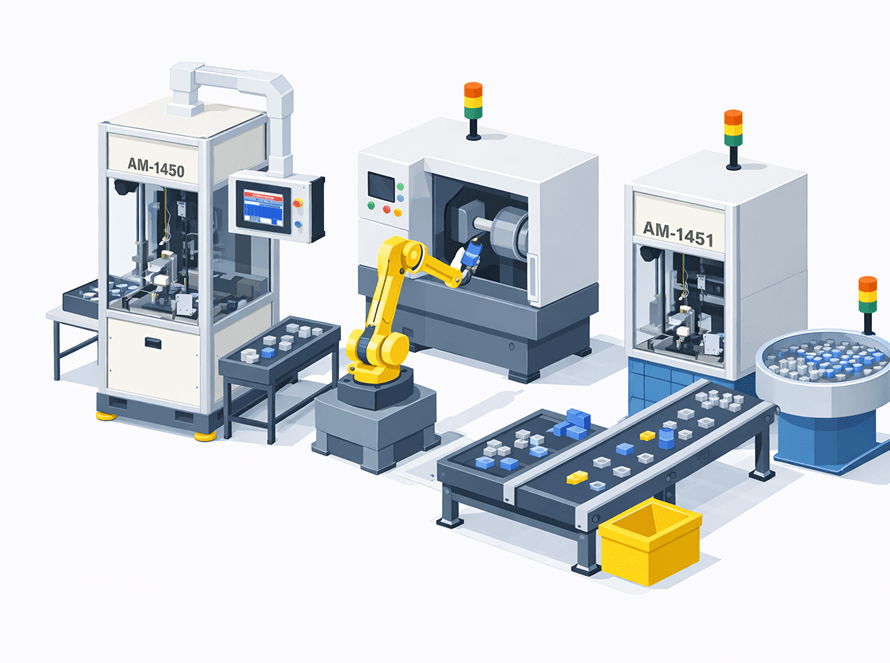
Multi-Machine Flow
See automated part handling maximize machine
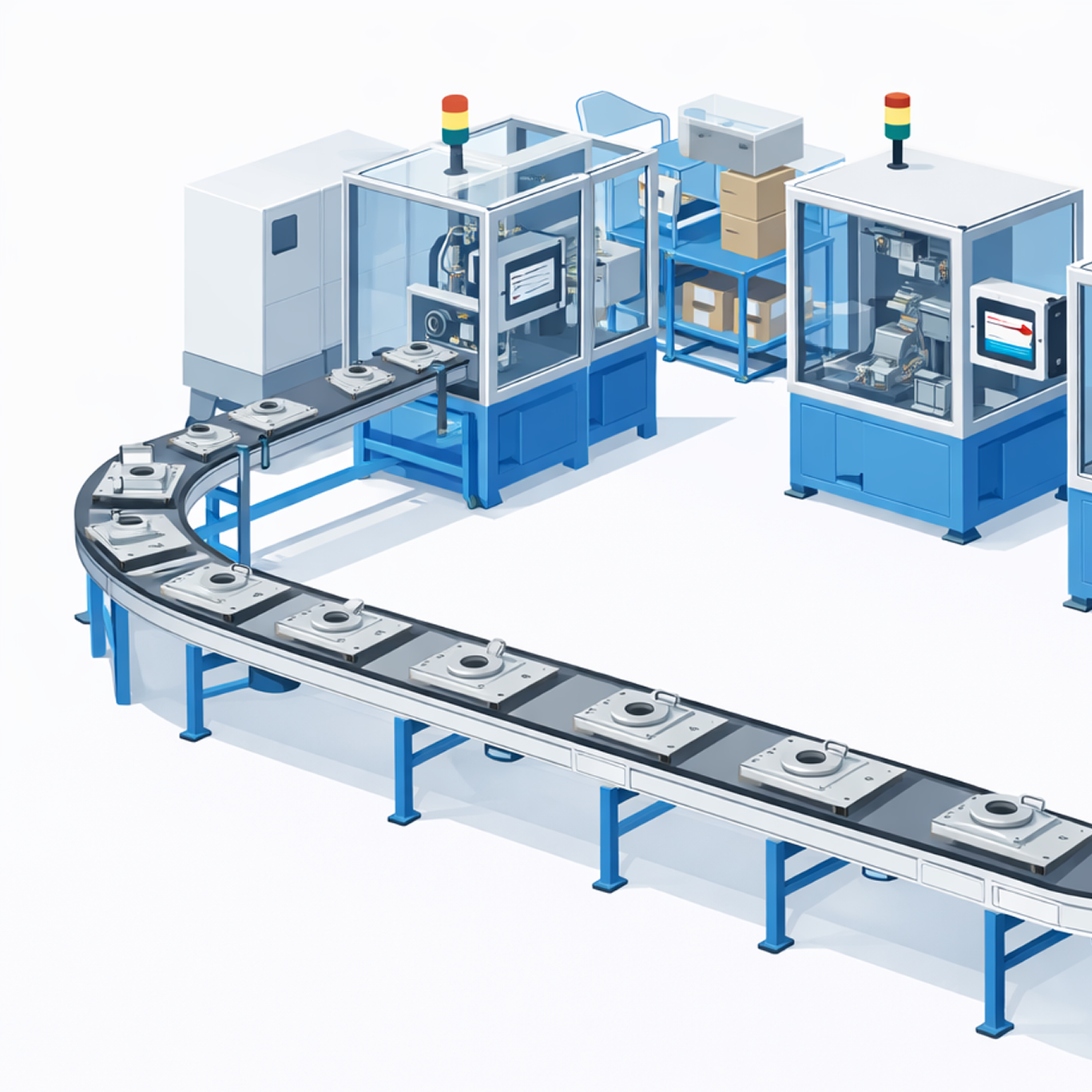
Asynchronous Flow
See one station pause without stopping the entire production line.
Prove The
Payback
Throughput gains. Uptime recovered. Payback calculated. Download the Flex Feeding ROI Worksheet and run your own numbers.
How Much
Automation
Do You Need?
Discover Automation Wins
Hiding in Plain Sight
Increased Output
Direct Labor Burden
Reduction
Margin Boost on
Repeat Work

Manual-Plus
Basic Operator-Loaded Machines
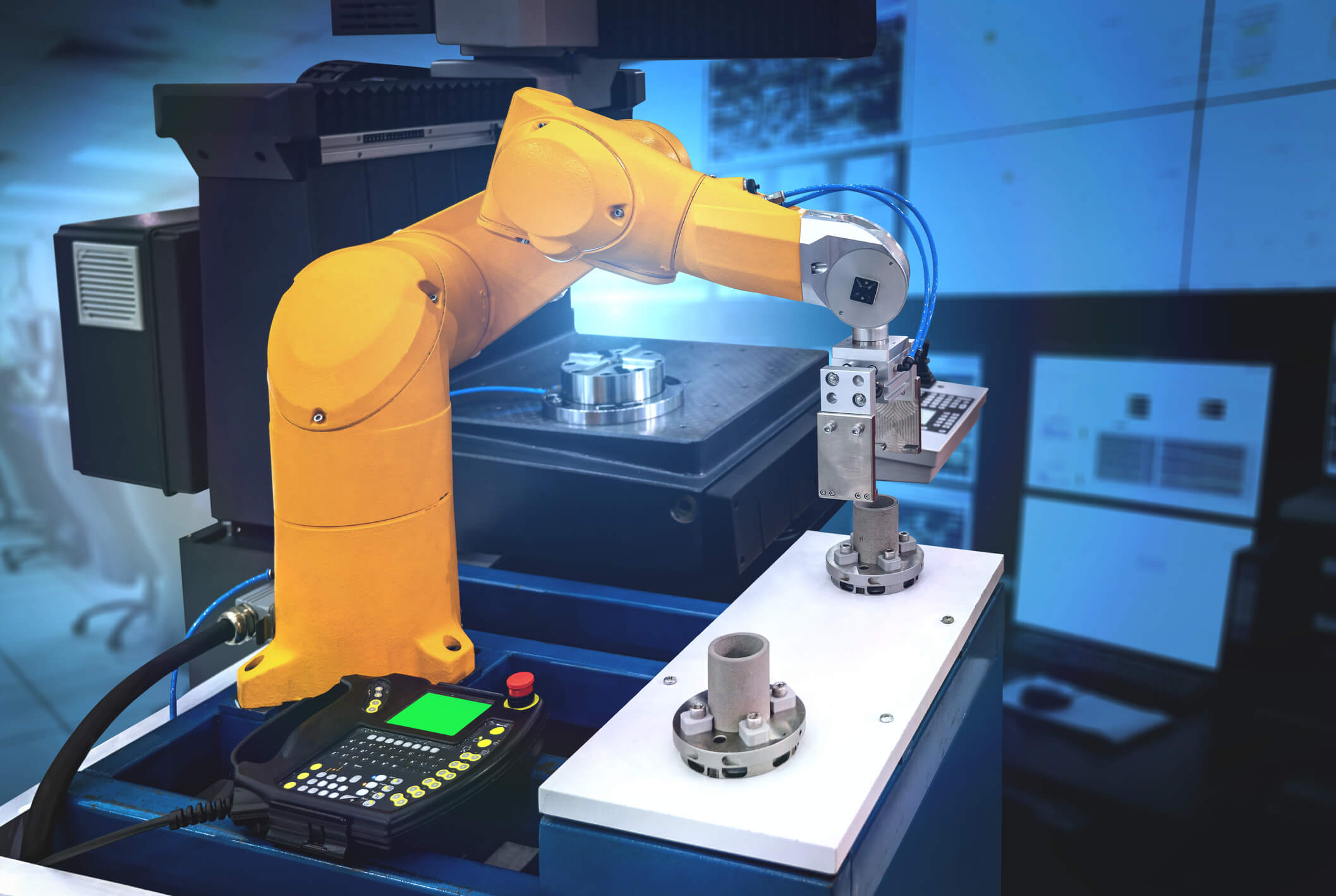
Automation that helps the operator with pre‑staging, positioning, and clamping. The operator owns the cycle and can tend multiple machines.

-
Process
Operator loads, machine performs single or multiple tasks -
Best For
Eliminating repetitive manual motions -
Ideal Use
Simple pressing, testing, or assembly -
Shop Fit
Low-volume, hands-on production - Often grouped to create “lean cells” where one operator runs multiple machines
Changeovers become software
>$50K
Low Cost Entry
2-3x
Increased Output
Gains / ROI
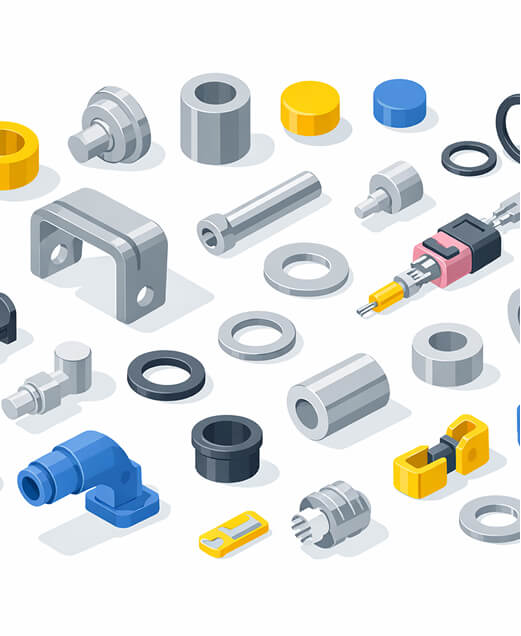
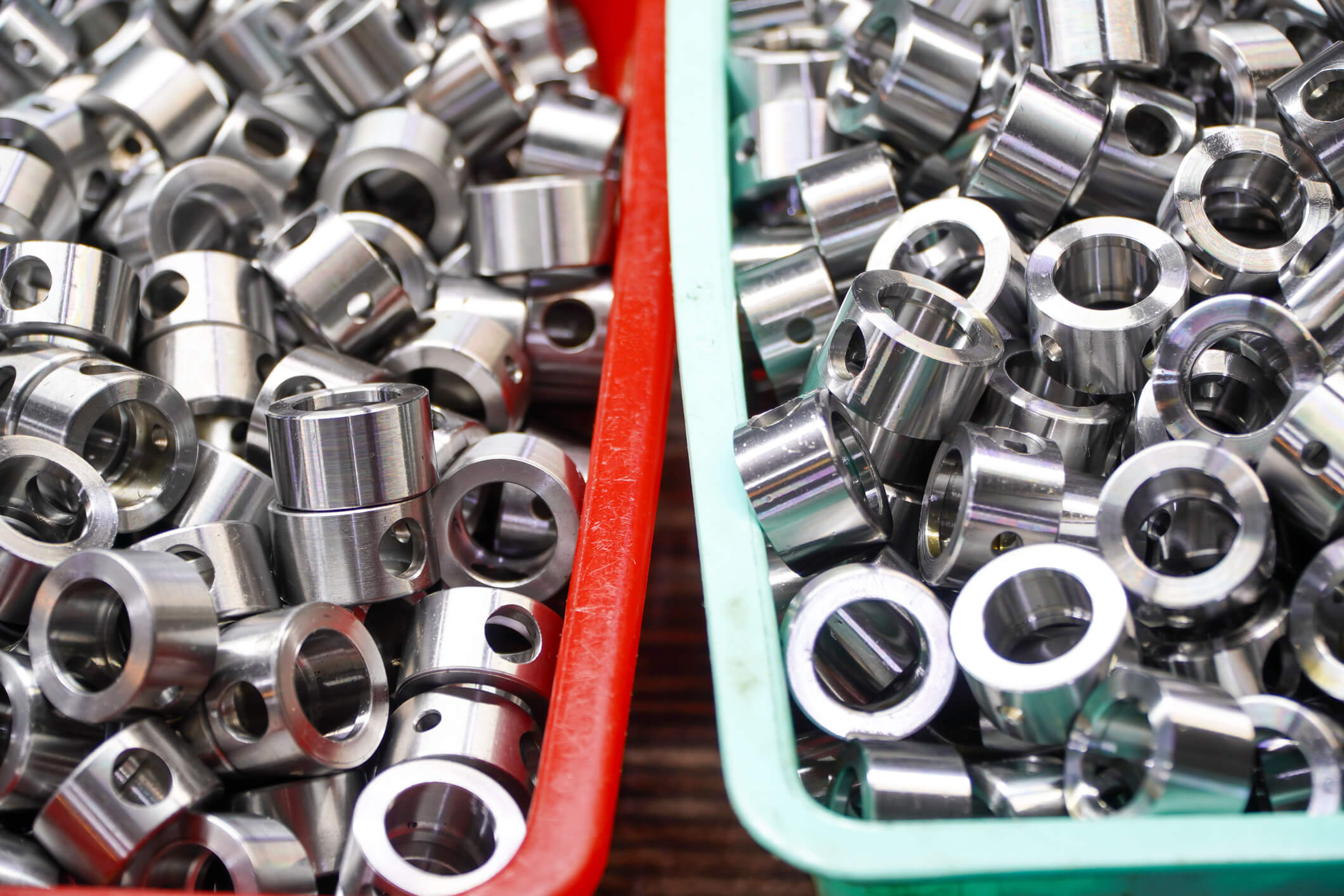
- Small Bushings
- Pins
- Clips
- Washers
- Simple Turned Parts
- Simple Milled Parts
- Sensor Housings
- Connector Shells
- Brackets
- Tabs
- Light Stampings
Automotive
Press-fit bearings, pins, dowels, valve components
Appliance
Press-fit bearings, pins, dowels, valve components
Electronics
Connectors, terminal blocks, small enclosures
Medical
Sub assemblies, housings, caps for disposables, devices
Job Shops
Simple turned parts, threaded studs, small milled blocks and plates
Capacity Limits
Manual cells maxed out, still missing deliveries
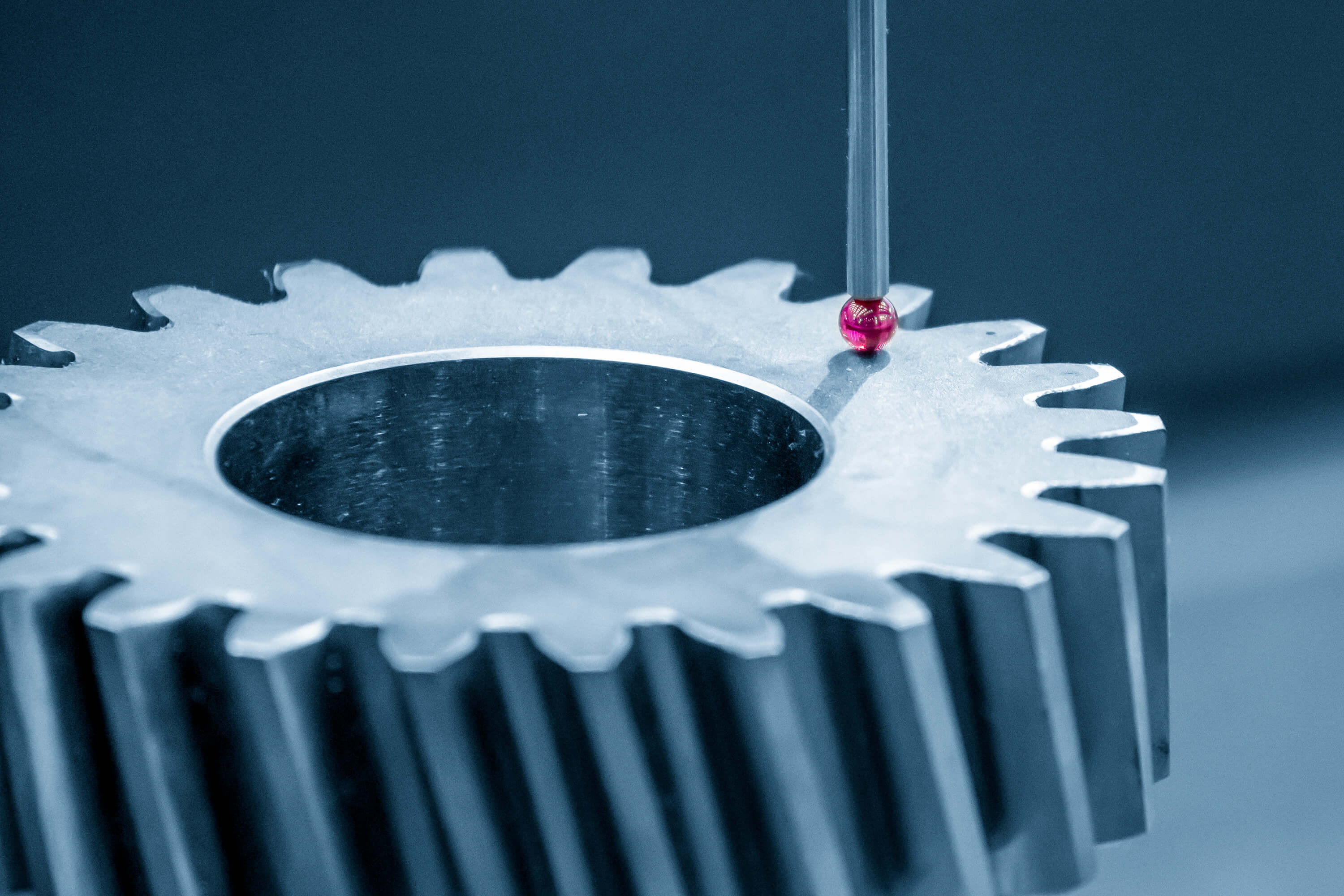
Customer Pressure
Customer pushing shorter cycle times or tighter quality windows
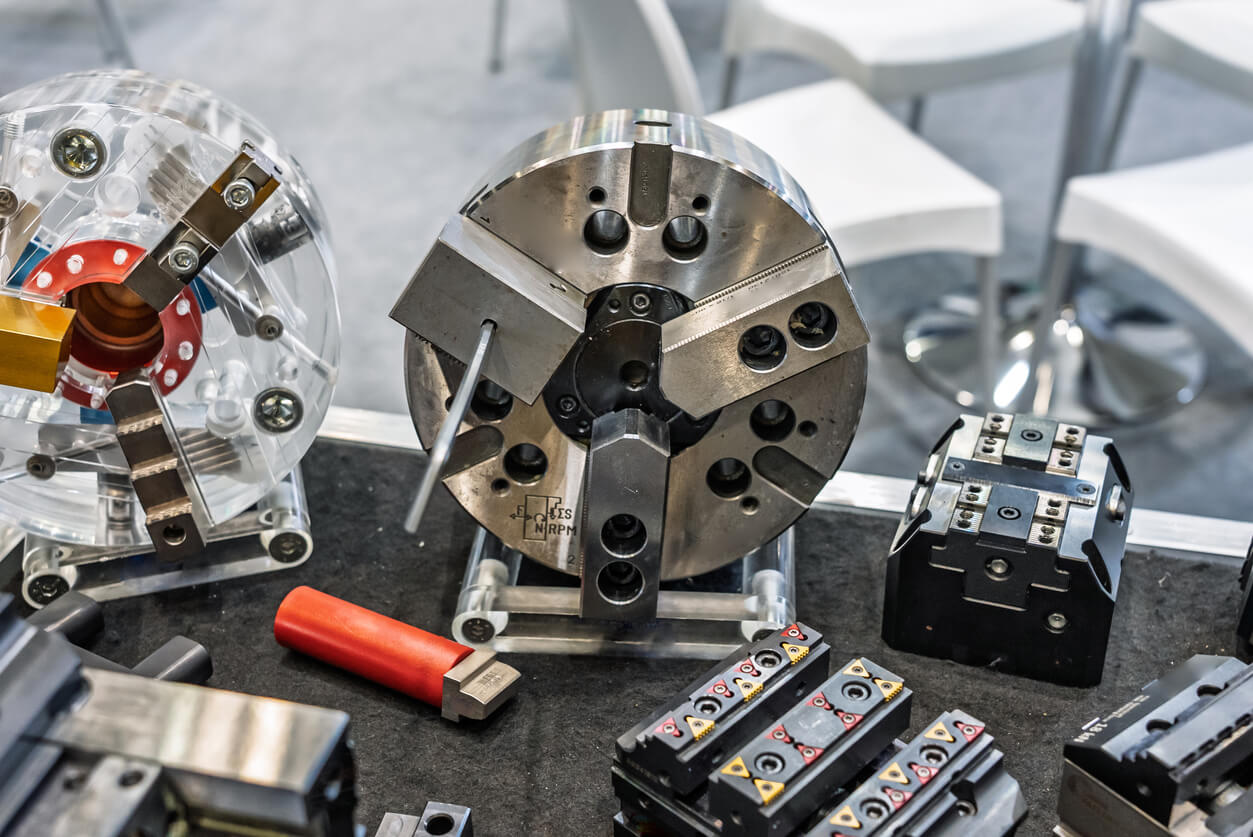
Process Consolidation
Need to consolidate multiple benches/fixtures into one controlled system
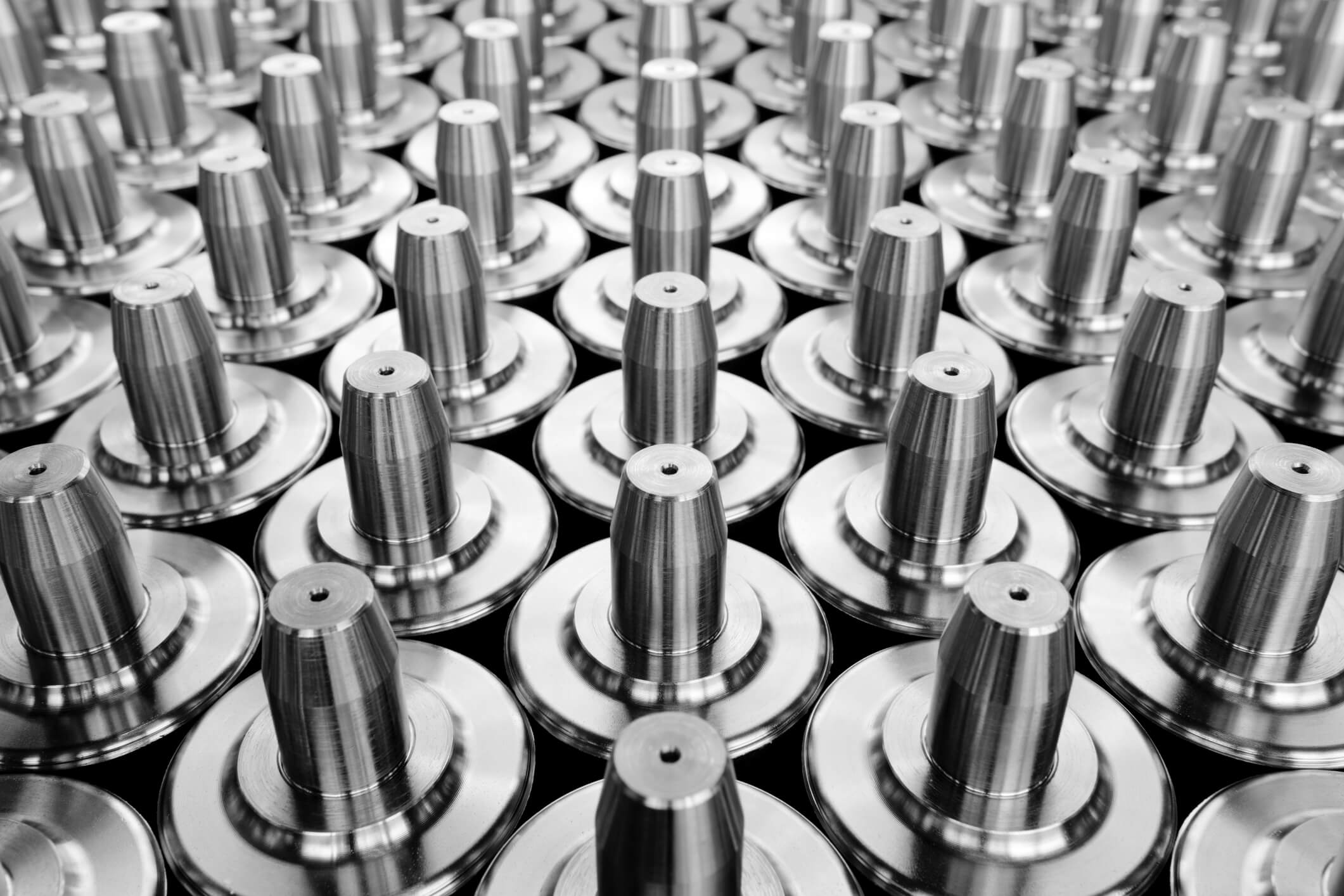
Repeat Run Justification
Repeat orders justify dedicated automation instead of "babysitting" with operators
Synchronous Automation
Dial / Linear Transfer
Integrated dial transfer or walking beam systems that handle part orientation, feeding, and precise positioning from bulk or upstream equipment, with the operator focused on supervising the cycle instead of loading each step.

-
Process
Parts indexed through multiple stations, each doing one step -
Best For
Mid-volume production where manual loading can't keep up -
Ideal Use
Applications that pair assembly with in-line inspection, where one position completes the build, and the next confirms alignment, presence, or fit -
Shop Fit
Growing demand, repeat work, delivering higher output from slightly larger footprint
Implementation Cost
$250K
—
$850K
(cell-level, not a one-off fixture)
Gains / ROI
- Machined housings
- Injected-molded parts assembly
- Flanges, covers & brackets
- Shafts, spindles & precision pins
- High-mix turned parts
- High-mix milled parts
- Medium-sized castings
- Medium-sized forgings
- Hydraulic bodies
- Pneumatic bodies & manifolds
- High-mix “family” parts sharing common workholding or flow
- Bearing assemblies
- Battery component assemblies
Automotive
Valves, sensors, fuel/air components, ABS or brake sub‑assemblies
Appliance
Gas valves, latch modules, door/hinge mechanisms
Electronics
Connector assemblies, switches, relays, contact blocks
Medical
Small repeatable mechanical sub-assemblies (where dedicated tooling makes sense)
Job Shops
High-mix job shops with “repeat runners” that justify dedicated automation
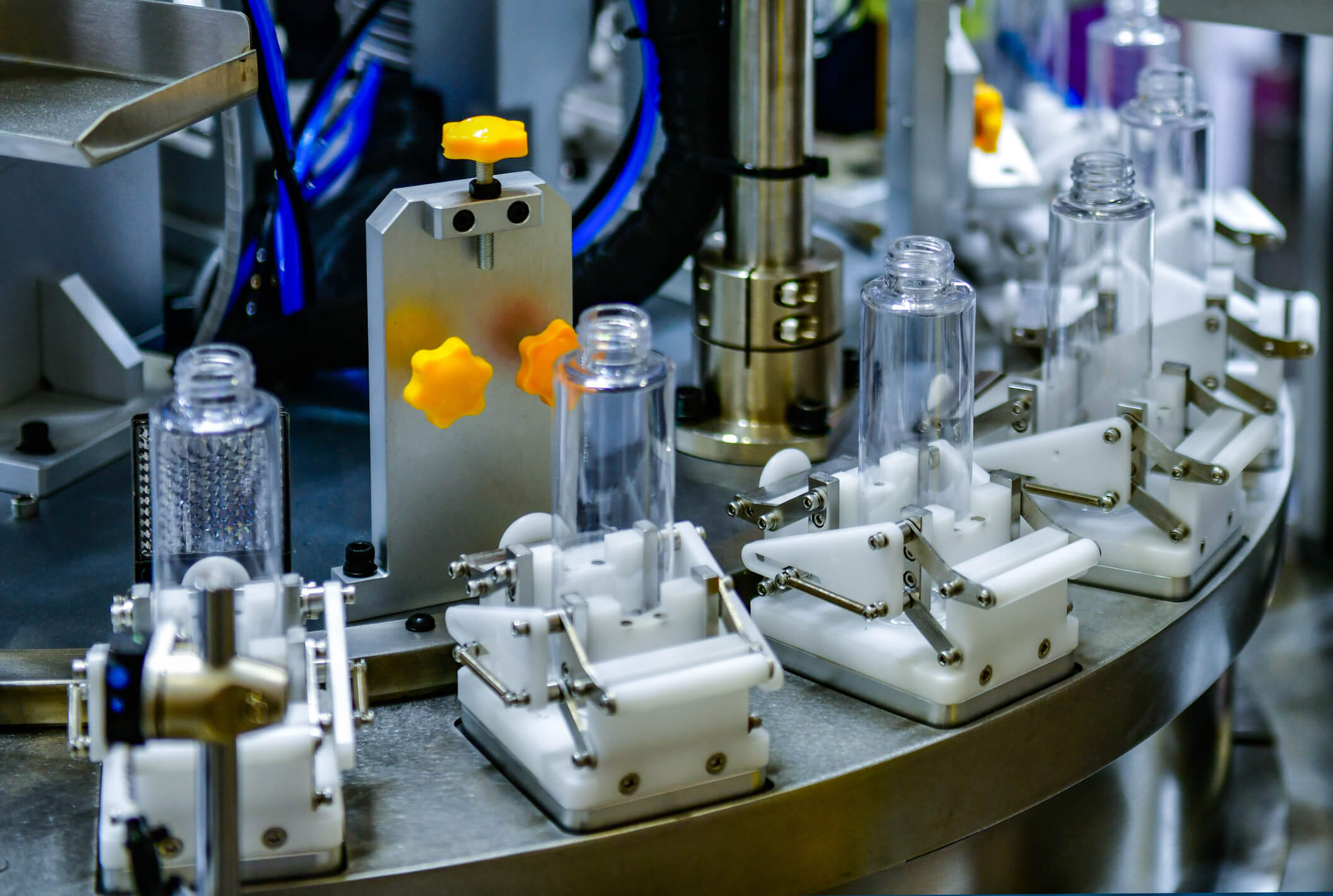
Capacity Constraints
Manual cells maxed out, still missing deliveries
Process Fragmentation
Need to consolidate multiple benches/fixtures into one controlled system
Lead Time Pressure
Customers pushing for shorter lead times and stable pricing
Repeat Run Demand
Repeat orders justify dedicated automation instead of "babysitting" with operators
Strategic Automation Shift
Leadership ready for a bigger step into automation, beyond single stations
Multi-Machine
Robotic Cells
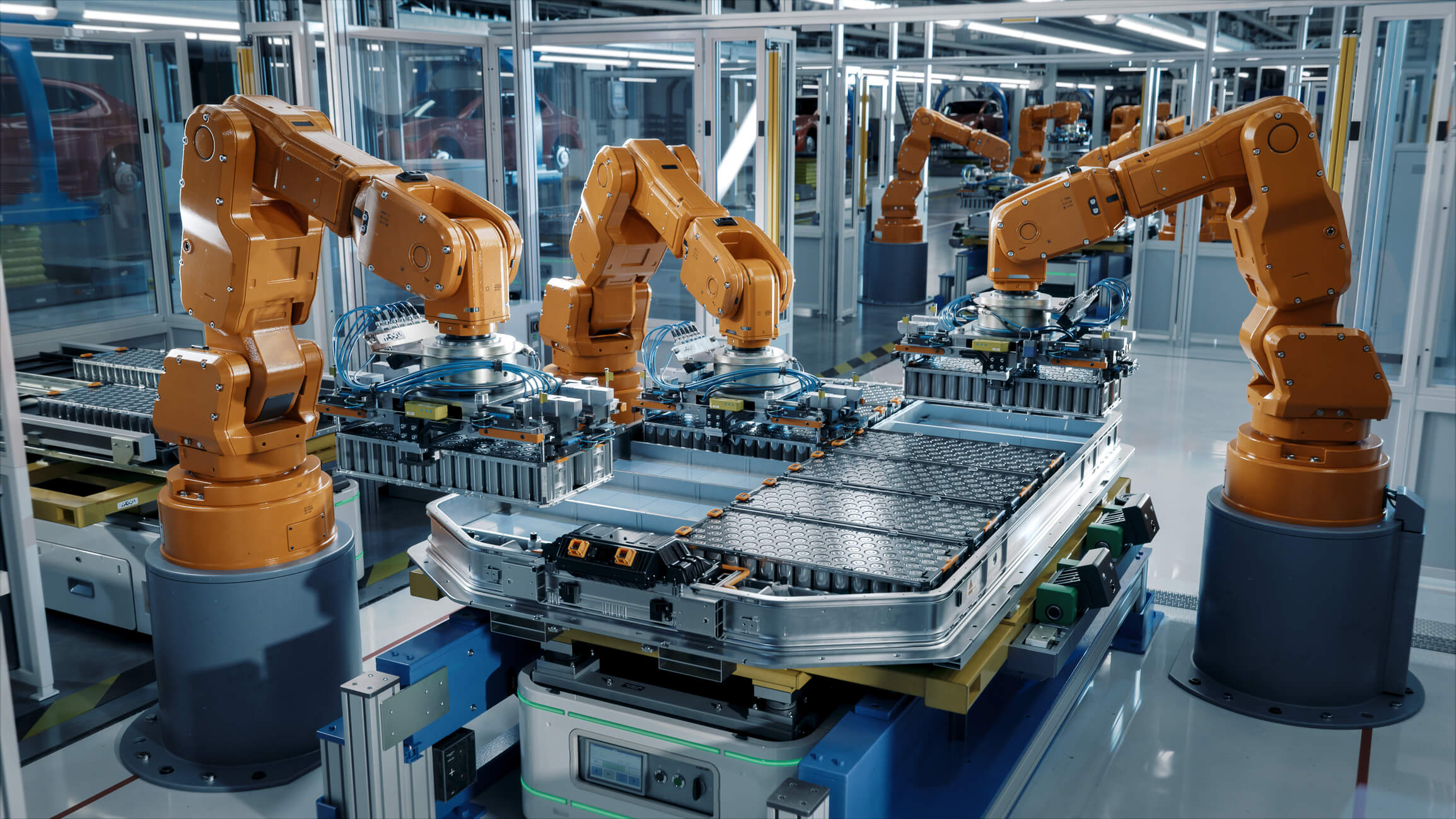
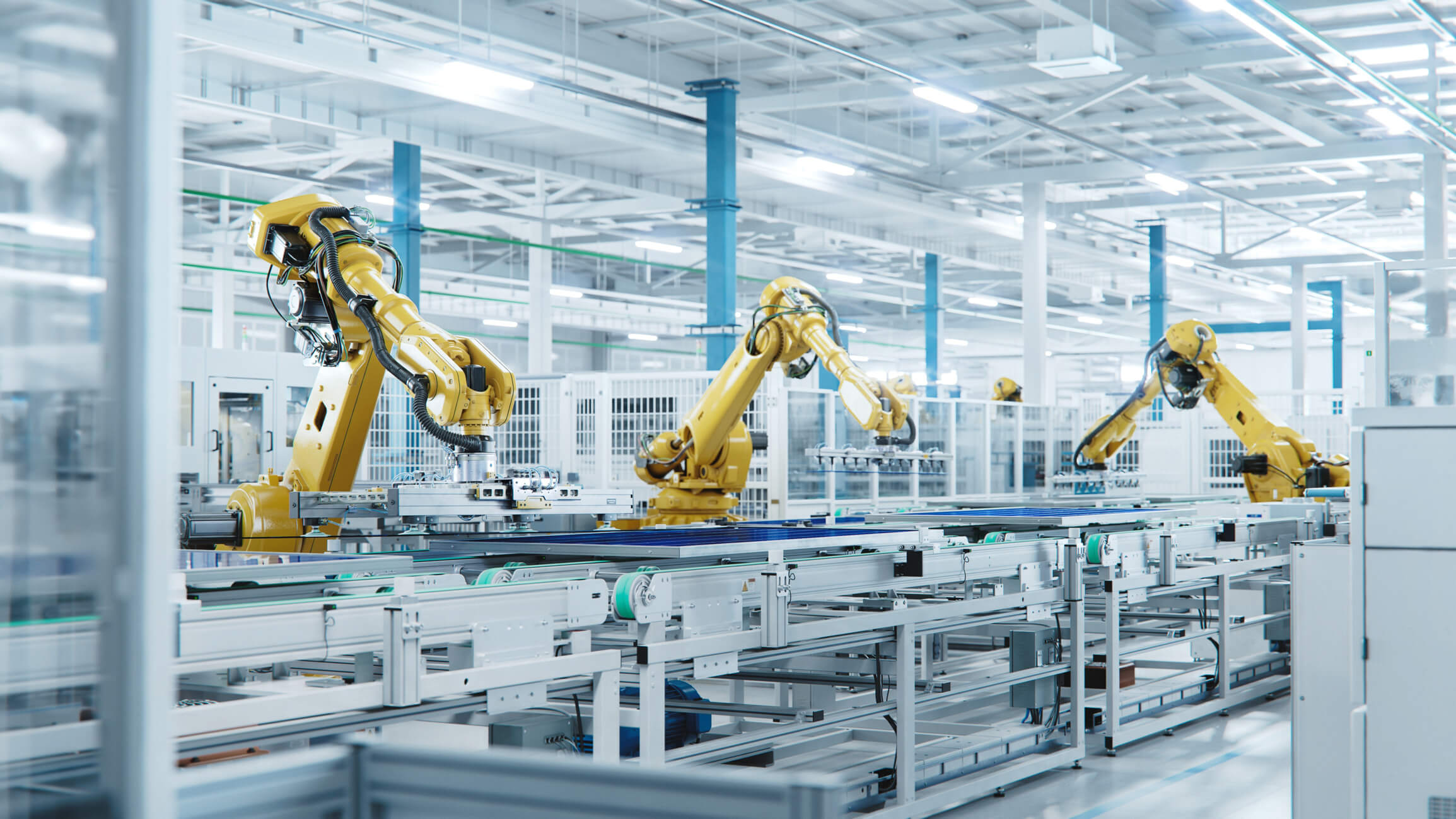
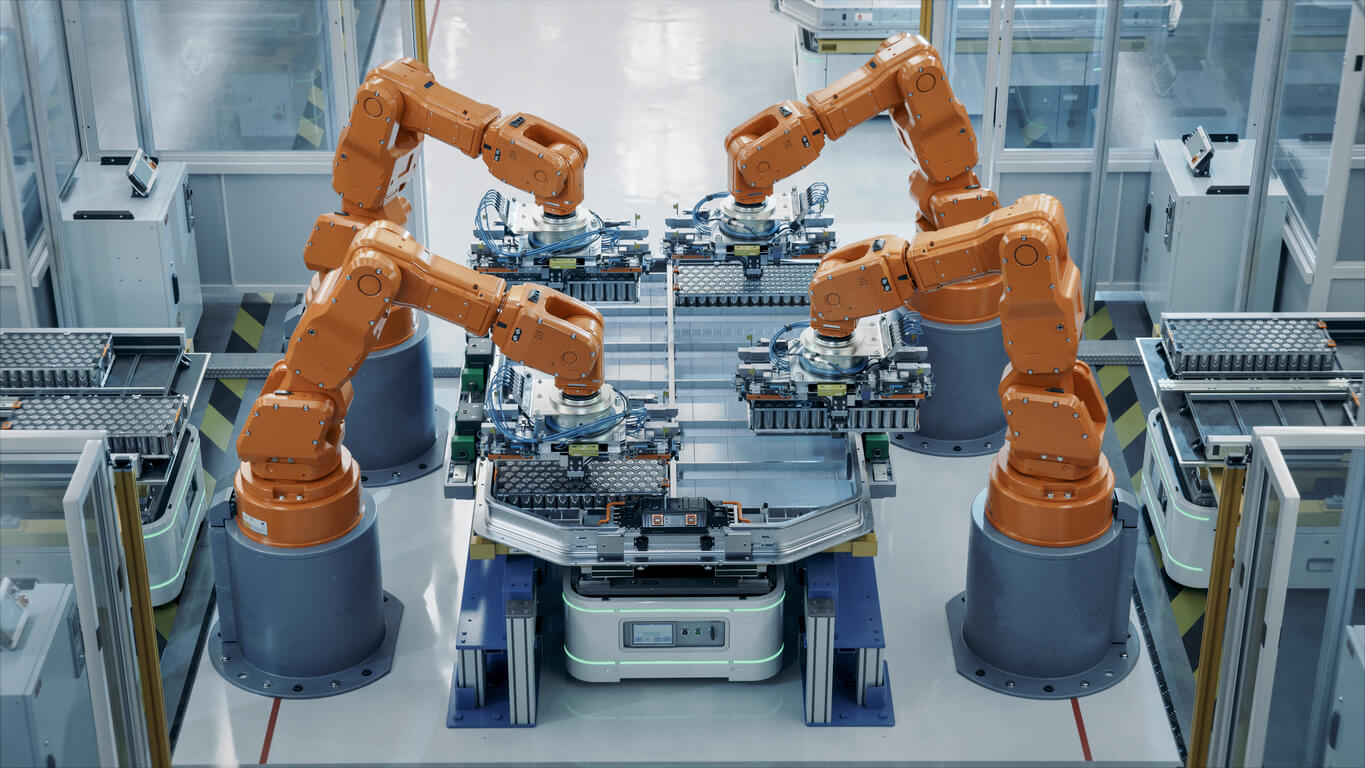
The robot owns the handling, operators supervise, set up, and keep parts flowing.

-
Process
Single or Multiple robots move parts between machines -
Best For
Increasing automation levels beyond discrete machines by automating material handling, bridging, and extensions to existing systems -
Ideal Use
Integrating secondary assembly and test operations into molding, stamping, machining, or similar start processes -
Production Fit
Medium-to-high-volume operations with minimal human interaction and automated extensions from the start process
Implementation Cost
$500K
—
$1.5M
(cell with robot, fixtures, safety, integration)
Gains / ROI
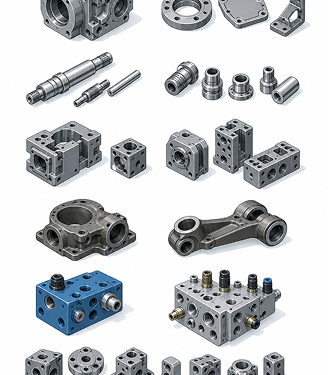
- Machined housings
- Battery manufacturing
- Automotive powertrain components
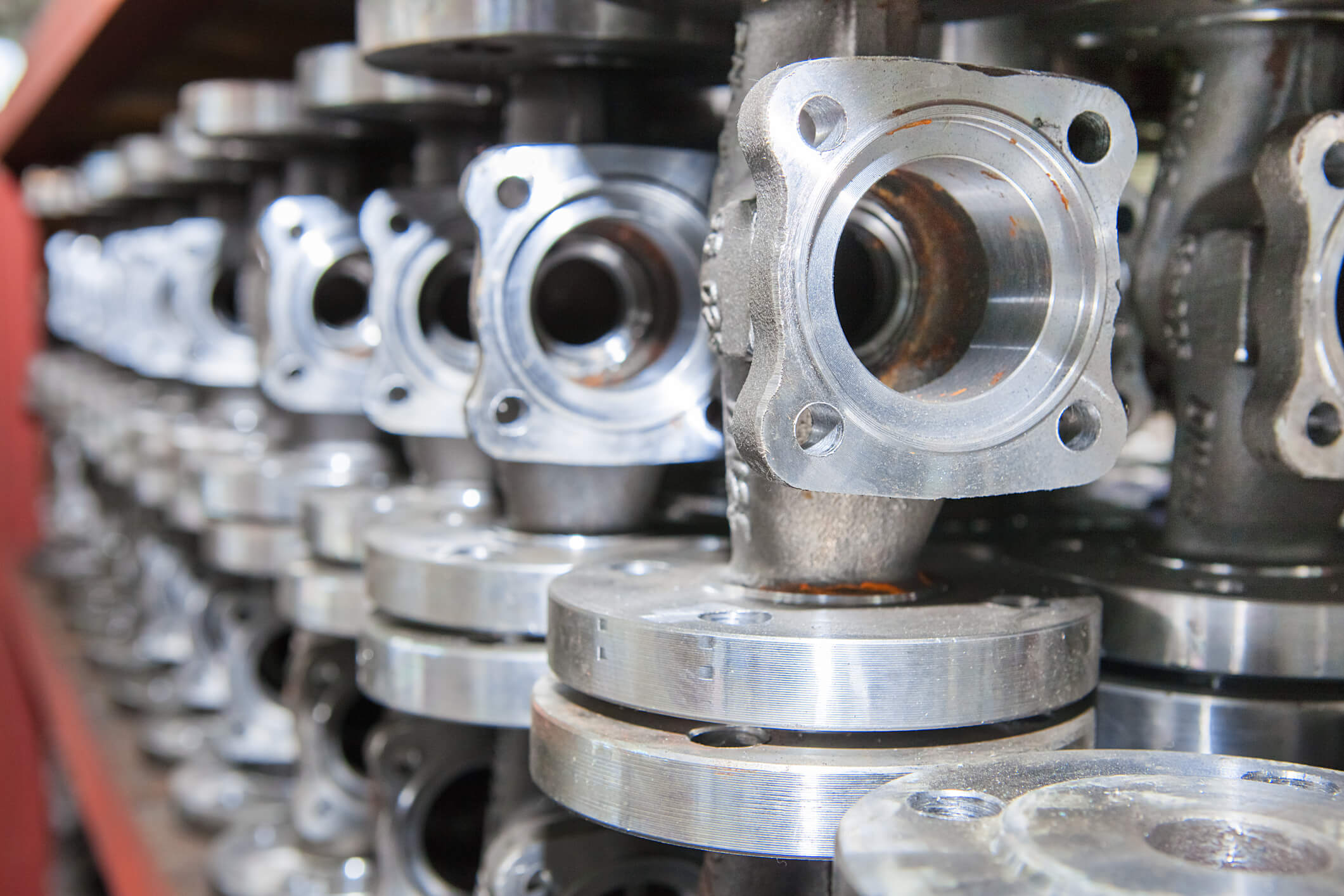
- Flanges, covers & brackets
- Shafts, spindles & precision pins
- High-mix turned parts
- High-mix milled parts
- medium-sized castings
- Medium-sized forgings
- Hydraulic bodies
- Pneumatic bodies & manifolds
- High-mix “family” parts sharing common workholding or flow
Automotive & off-highway
Machined drivetrain, steering, brake, and chassis components
Aerospace and defense
Precision housings, brackets, structural details
Industrial equipment and hydraulics
Manifolds, motor housings, pump parts
Job shops / contract machining
Repeat runners, family parts spread across machines
Program Driven Volume
OEM program awards with locked-in volume and life-of-program commitments
Line Consolidation
Need to consolidate multiple manual/semi-auto cells into one controlled line
Traceability Requirements
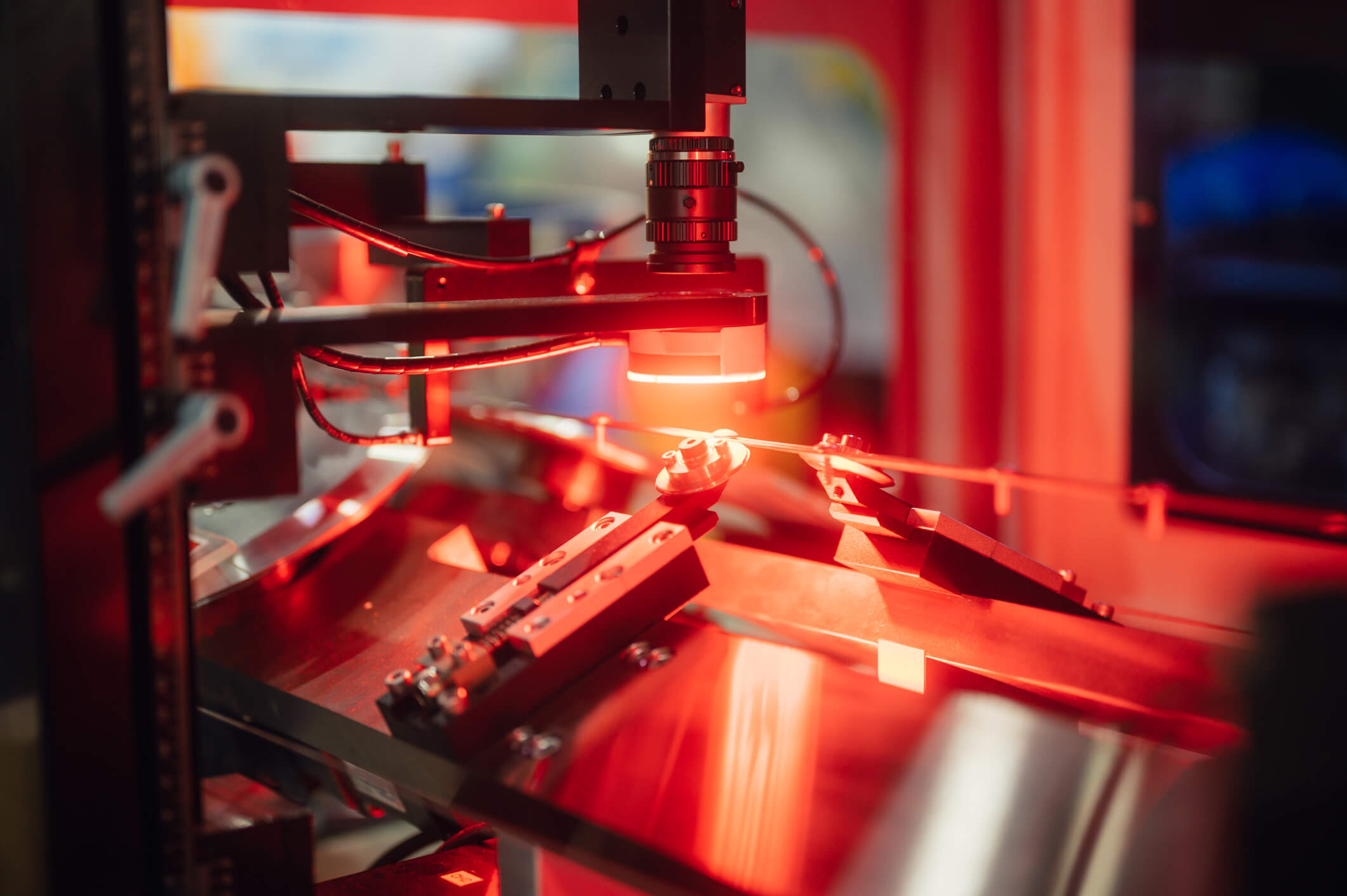
Customer requirements for full traceability, serialization, and in-line test coverage
Global Platform Strategy
Corporate strategy to standardize global production on common, high-volume platforms
Asynchronous
Power-and-Free / Pallet-Based Systems
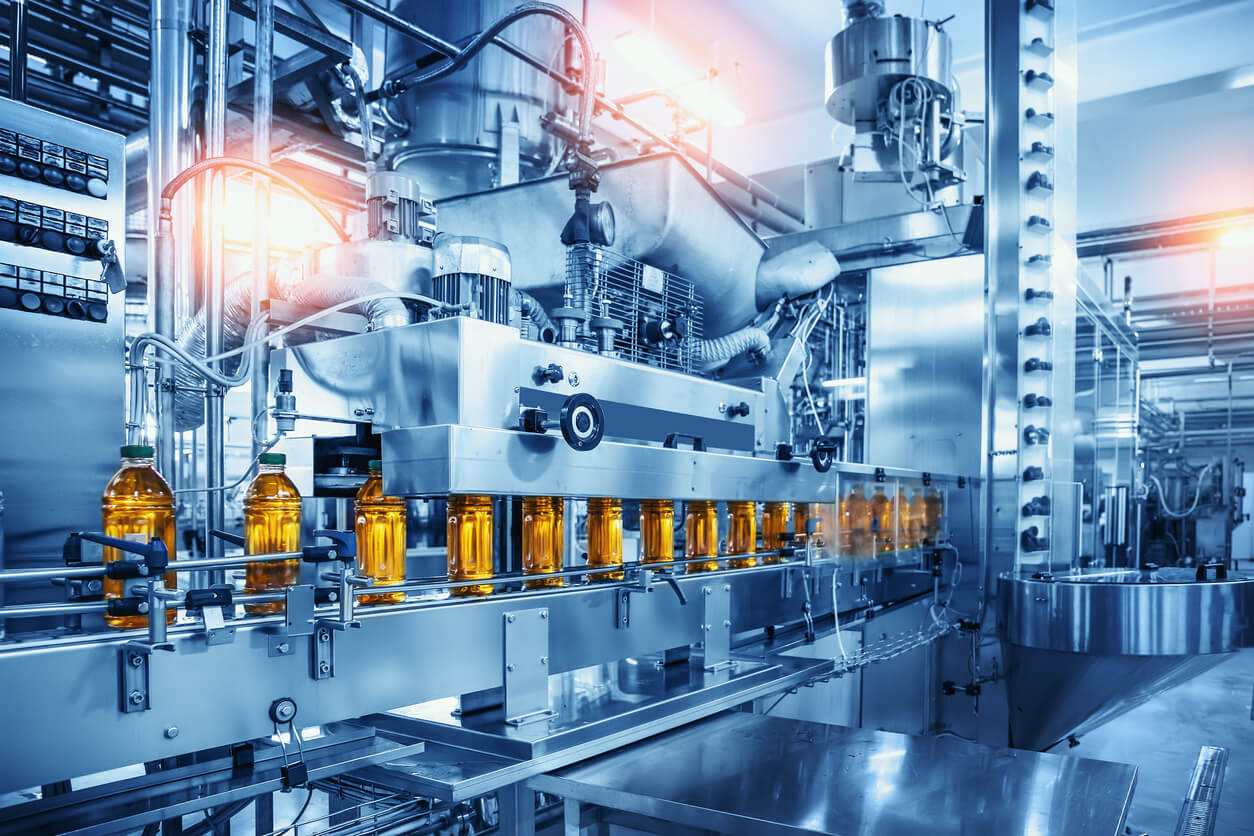
The system owns the entire line using conveyors, pallets, and stations to handle flow; operators mainly supervise, replenish, and manage exceptions.

The system owns the entire line using conveyors, pallets, and stations to handle flow; operators mainly supervise, replenish, and manage exceptions.
-
Process
Pallets carry parts through decoupled stations with buffers and routing logic -
Best For
High-volume, high-complexity assemblies with long product life -
Ideal Use
Full assembly lines with many steps, in-line tests, and traceability -
Shop Fit
OEMs and large Tier-1s with stable, long-run programs
Implementation Cost
$1M+
engineered systems
Gains / ROI
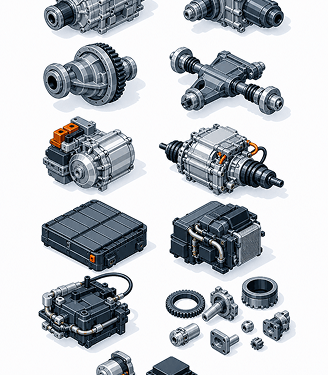
- Transmissions
- Transfer cases
- Differentials
- Axle modules
- EV drive units
- E-axles
- Battery module assemblies
- Complex appliance modules
- Sealed system assemblies
- Multi-component mechanicals
- Electro-mechanical modules
Volume Breakpoint
Throughput needs exceed what synchronous or indexed systems can support
Sequence Complexity
Too many assembly and test steps to balance on a fixed cycle
Variant Mix
Multiple SKUs require routing flexibility and independent pallet control
Quality Mandates
In-line test, serialization, and traceability must be built into every step
Identify Automation by the
Metrics That Matter
We scored over 40 unique automation solutions on cost, labor, quality, throughput, and flexibility.

Need Help
Deciding?
Making the next step into automation can seem difficult. Our experts can help you determine the right solution for you.